

BitViraj Technologies - Your Gateway to
Tomorrow's Innovations
Digital Product Passports: The Future of Transparent Supply Chains
Modern supply chains are incredibly complex. A single product — whether a smartphone, garment, or electric vehicle battery — may involve raw materials sourced from multiple countries, components manufactured across continents, and assembly performed somewhere entirely different. While globalization has improved efficiency and reduced costs, it has also created a major challenge: lack of transparency.
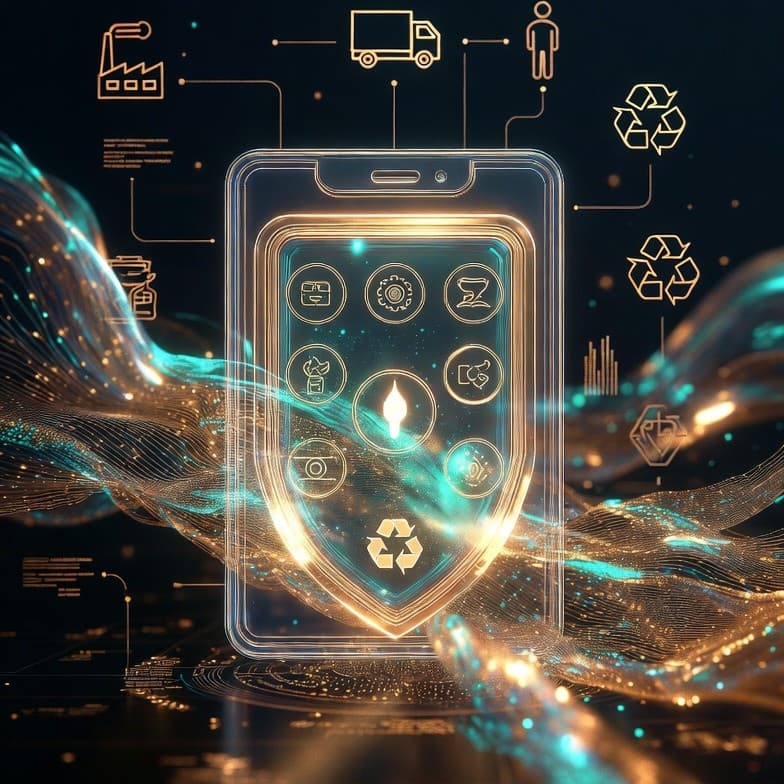
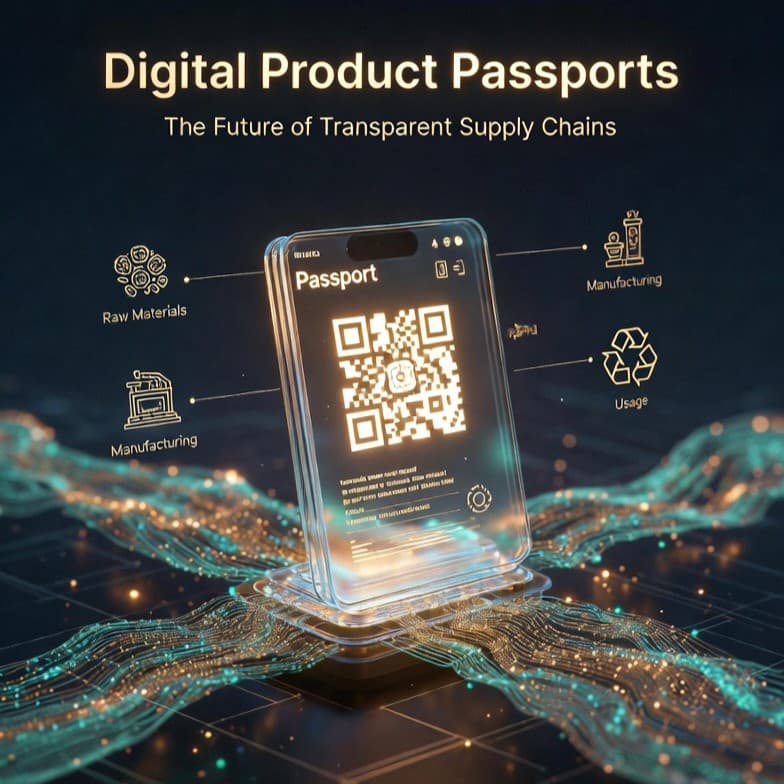
Digital Product Passports
The Future of Transparent Supply Chains
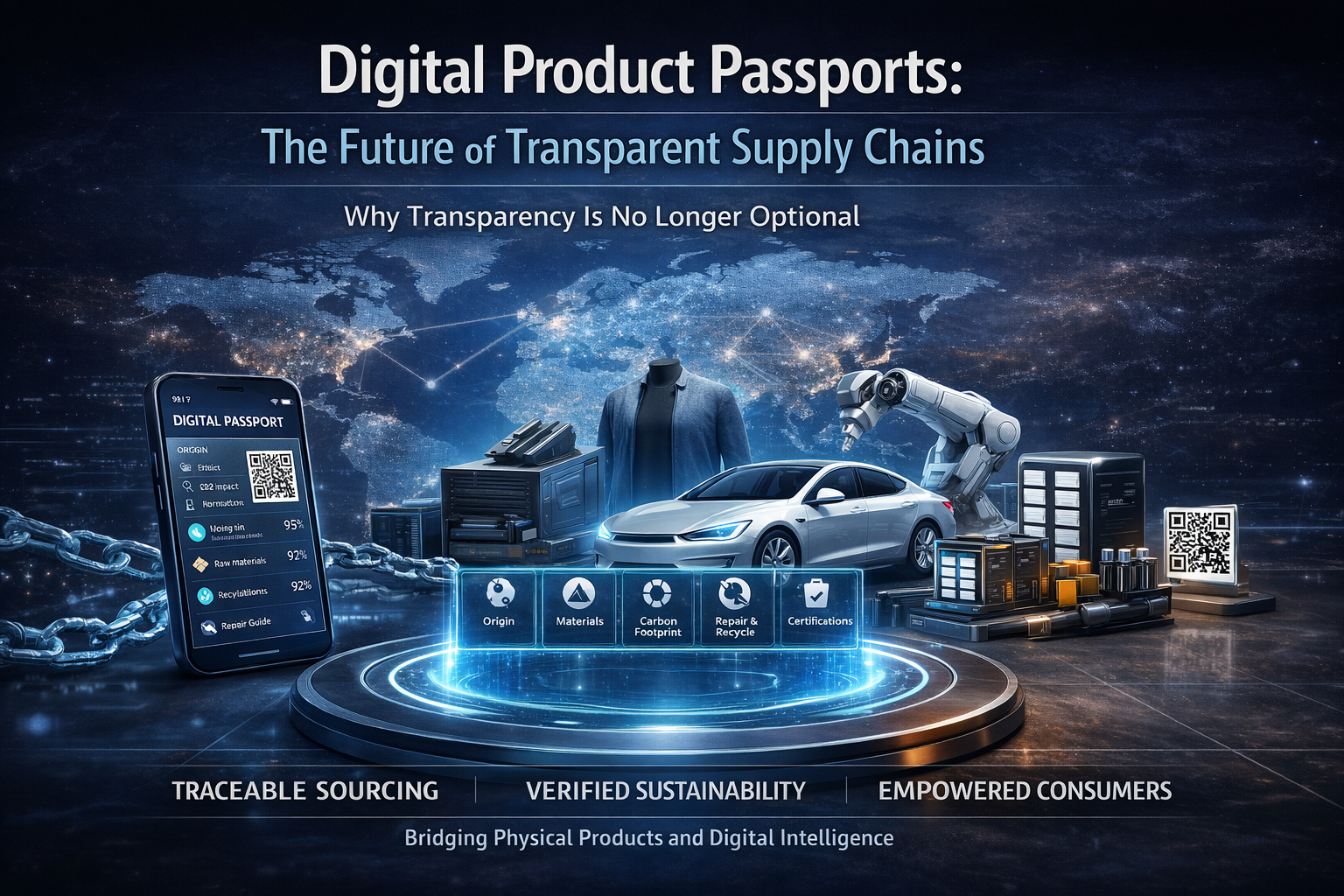
Digital Product Passports: The Future of Transparent Supply Chains
Introduction: Why Transparency Is No Longer Optional
Modern supply chains are incredibly complex. A single product — whether a smartphone, garment, or electric vehicle battery — may involve raw materials sourced from multiple countries, components manufactured across continents, and assembly performed somewhere entirely different. While globalization has improved efficiency and reduced costs, it has also created a major challenge: lack of transparency.
Consumers today want to know more than just price and performance. They ask:
- Where did this product come from?
- Was it produced ethically?
- What is its environmental impact?
- Can it be repaired, reused, or recycled?
Businesses and regulators are asking the same questions. This growing demand for accountability is driving the emergence of a powerful concept: Digital Product Passports (DPPs).
Digital Product Passports are quickly becoming one of the most important tools for building transparent, trustworthy, and sustainable supply chains.
What Is a Digital Product Passport?
A Digital Product Passport is a digital record linked to a physical product that stores structured information throughout its lifecycle.
Instead of static labels or scattered documentation, a DPP creates a living data profile containing information such as:
Material composition
Source of raw materials
Manufacturing processes
Carbon footprint and environmental data
Certifications and compliance records
Repair and maintenance instructions
End-of-life recycling guidance
Accessible through technologies like QR codes, NFC tags, or digital identifiers, the passport allows stakeholders — manufacturers, regulators, retailers, recyclers, and consumers — to access verified product information instantly.
In simple terms, a Digital Product Passport allows products to carry their own history.
The Problem with Traditional Supply Chains
Traditional supply chains rely heavily on fragmented systems. Information is often stored in silos:
- Suppliers maintain separate databases.
- Manufacturers track production internally.
- Logistics providers hold shipping records.
- Sustainability data exists in reports rather than real-time systems.
This fragmentation leads to several challenges:
1. Limited Traceability
Companies struggle to trace materials back to their origin, especially beyond Tier-1 suppliers.
2. Compliance Difficulties
Regulations related to sustainability, emissions, and sourcing are increasing globally, yet verifying compliance remains difficult.
3. Consumer Distrust
Greenwashing and unclear claims have made customers skeptical of sustainability promises.
4. Inefficient Recycling
Without knowledge of material composition, recycling processes become expensive or ineffective.
Digital Product Passports address these issues by creating a single trusted source of product truth.
How Digital Product Passports Enable Transparency
End-to-End Visibility
A DPP connects every stage of the product lifecycle:
Raw Material → Manufacturing → Distribution → Usage → Repair → Recycling
Each participant contributes verified data, building a continuous information chain.
This visibility allows organizations to identify inefficiencies, reduce risks, and improve accountability.
Verified Sustainability Claims
Instead of marketing statements, companies can provide measurable data:
- Actual carbon emissions
- Recycled material percentage
- Energy usage during production
- Ethical sourcing certifications
Transparency shifts sustainability from storytelling to evidence-based reporting.
Empowered Consumers
Imagine scanning a product in a store and instantly seeing:
- Origin of materials
- Environmental impact score
- Repairability rating
- Expected lifespan
Consumers move from passive buyers to informed decision-makers, rewarding responsible brands.
The Technology Behind Digital Product Passports
Digital Product Passports are not a single technology but a combination of innovations working together.
1. Digital Identity Systems
Each product receives a unique digital identifier linking physical and digital worlds.
2. Blockchain and Distributed Ledgers
These technologies help ensure that records cannot be altered retroactively, improving trust among stakeholders.
3. IoT Integration
Sensors can automatically update usage or performance data during a product's lifecycle.
4. Cloud Data Platforms
Enable scalable storage and secure access across global supply chains.
Together, these technologies transform products into data-enabled assets.
Regulatory Momentum Driving Adoption
Governments are increasingly supporting Digital Product Passports, particularly in sustainability initiatives.
For example, regulatory frameworks in Europe are introducing requirements for product transparency across sectors such as:
Batteries
Electronics
Textiles
Construction materials
The goal is clear: enable circular economies by ensuring products can be tracked, repaired, reused, and recycled efficiently.
Organizations adopting DPPs early gain an advantage by preparing for future compliance rather than reacting later.
Business Benefits Beyond Compliance
Improved Supply Chain Resilience
Better visibility helps companies detect risks, disruptions, or unethical sourcing earlier.
Operational Efficiency
Centralized product data reduces duplication and manual reporting processes.
New Revenue Opportunities
DPPs enable services like product-as-a-service models, verified resale markets, and predictive maintenance offerings.
Stronger Brand Trust
Transparency builds long-term customer loyalty.
Challenges to Overcome
- Data standardization across industries
- Integration with legacy enterprise systems
- Protecting sensitive commercial information
- Collaboration among competing stakeholders
Success will depend on industry-wide standards and cooperative ecosystems rather than isolated solutions.
The Role of Digital Product Passports in the Circular Economy
The traditional economic model follows a linear path:
Take → Make → Use → Dispose
Digital Product Passports support a circular alternative:
Design → Use → Repair → Reuse → Recycle
By preserving product knowledge throughout its lifecycle, materials retain value instead of becoming waste.
Recyclers know exactly what materials they are handling. Repair services access component details easily. Manufacturers recover insights for future product design.
Transparency becomes the foundation of sustainability.
Looking Ahead: Products as Digital Entities
Over the next decade, products will no longer exist only as physical objects. Each item will have a persistent digital identity that evolves over time.
Digital Product Passports may eventually enable:
- Autonomous supply chain verification
- AI-driven sustainability optimization
- Smart warranty and ownership tracking
- Secondary marketplaces based on verified product history
In this future, transparency will not be an added feature — it will be an expectation.
Conclusion
Digital Product Passports represent a fundamental shift in how products are designed, tracked, and trusted.
They bridge the gap between physical goods and digital intelligence, enabling supply chains that are transparent, accountable, and sustainable.
For businesses, DPPs are more than a compliance requirement. They are an opportunity to rethink operations, strengthen customer relationships, and lead in a world where data-driven transparency defines competitive advantage.
The future of supply chains will not be hidden behind complexity.
It will be visible, verifiable, and connected — one digital passport at a time.
Case Studies
Empowering Digital
Evolution



Blogs
Empowering Digital
Evolution
BitViraj Technologies - Your Gateway to
Tomorrow's Innovations



Embark on a DigitalJourney


The next-generation digital technology company Bitviraj has the potential to empower and reinvent business in the current fast-paced market.


Our Service
- Website Development
- Application Development
- Blockchain Development
- Gaming and Metaverse