

BitViraj Technologies - Your Gateway to
Tomorrow's Innovations
AI Use Cases in Banking: Transforming the Financial Landscape with Blockchain and AI
The convergence of Artificial Intelligence (AI) and Blockchain technology is revolutionizing the banking and financial services industry. From automating processes to enhancing security and personalizing customer experiences, AI and Blockchain are driving innovation at an unprecedented pace.

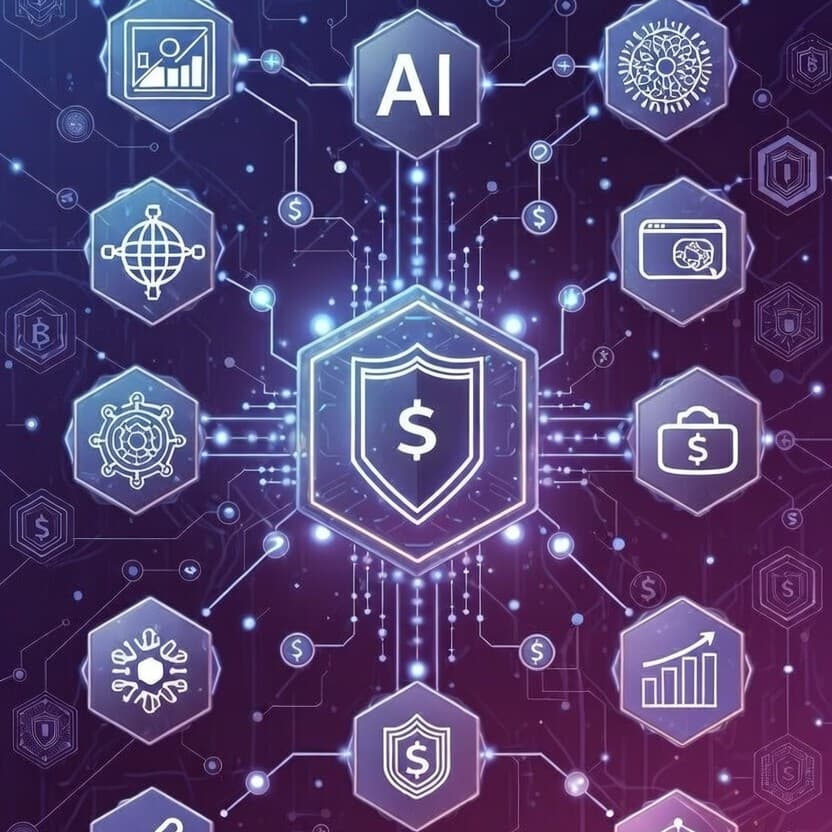
By Bitviraj Technology
AI + Blockchain Banking Transformation
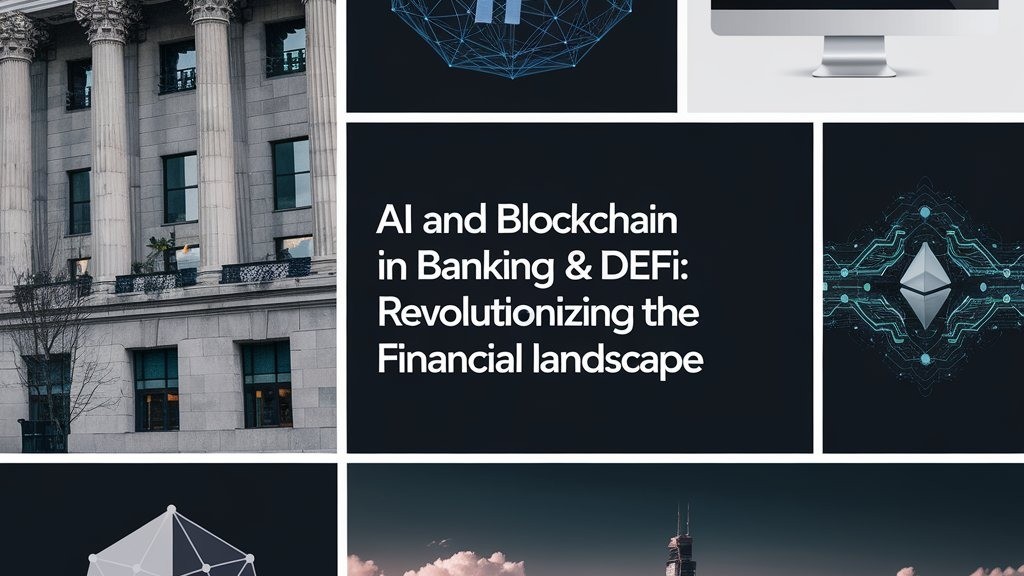
AI Use Cases in Banking: Transforming the Financial Landscape with Blockchain and AI
Introduction
The convergence of Artificial Intelligence (AI) and Blockchain technology is revolutionizing the banking and financial services industry.
From automating processes to enhancing security and personalizing customer experiences, AI and Blockchain are driving innovation at an unprecedented pace. This blog explores the transformative use cases of AI in banking, its integration with Blockchain, and the challenges and opportunities that lie ahead.
Core AI + Blockchain Use Cases
AI-Driven Smart Contract Automation
Smart contracts, self-executing agreements coded on Blockchain, are becoming more efficient with AI integration. AI enhances the execution of smart contracts by enabling real-time decision-making, automating complex workflows, and ensuring compliance with regulatory requirements.
Example: AI can analyze external data feeds (oracles) to trigger smart contract actions, such as releasing payments upon delivery confirmation in trade finance.
AI-Based Predictive Analytics for Financial Markets
AI is transforming how financial institutions analyze market trends. By leveraging machine learning algorithms, banks can process vast amounts of historical and real-time data to predict market movements, identify investment opportunities, and mitigate risks.
AI-driven predictive analytics enables traders and portfolio managers to make data-driven decisions, improving profitability and reducing losses.
AI-Enhanced Blockchain Security and Fraud Detection
Blockchain's inherent security is further strengthened by AI. AI algorithms can detect anomalies in Blockchain transactions, identify fraudulent activities, and prevent cyberattacks.
For instance, AI can monitor transaction patterns to flag suspicious behavior, such as money laundering or unauthorized access. This combination of AI and Blockchain ensures a robust security framework for financial systems.
AI & Blockchain in Lending and Credit Management
AI is reshaping lending and credit management by automating loan approvals and improving risk assessment. AI algorithms analyze credit scores, transaction histories, and alternative data sources (e.g., social media activity) to assess borrower credibility.
Blockchain ensures transparency and immutability of loan agreements, reducing disputes and enhancing trust between lenders and borrowers.
AI-Optimized DeFi Yield Farming & Liquidity Pools
Decentralized Finance (DeFi) platforms are leveraging AI to optimize yield farming and liquidity pools. AI algorithms analyze market conditions, interest rates, and risk factors to maximize returns for investors.
By automating strategies and rebalancing portfolios, AI ensures efficient capital allocation in DeFi ecosystems.
AI-Powered Decentralized Identity Management
Identity verification is a critical aspect of banking, and AI-powered decentralized identity management systems are making it more secure and efficient. Blockchain stores identity data securely, while AI verifies identities using biometrics, facial recognition, and behavioral analysis.
This combination reduces fraud and streamlines customer onboarding processes.
Use Cases in Traditional Banking
Traditional Banking AI Implementation

AI & Blockchain for Cross-Border Payments
Cross-border payments are often slow and expensive. AI and Blockchain enable faster, cheaper international transactions by automating currency conversions, reducing intermediaries, and ensuring real-time settlement. Blockchain ensures transparency, while AI optimizes transaction routes and minimizes fees.
AI-Powered Personalized Financial Services
Banks are using AI to offer tailored financial solutions to customers. By analyzing spending habits, income levels, and financial goals, AI provides personalized recommendations for savings, investments, and loans. Blockchain ensures the security and privacy of customer data.
Blockchain for Trade Finance and Supply Chain Payments
Blockchain enhances transparency in trade finance by providing a tamper-proof record of transactions. AI automates invoice processing, tracks goods in real-time, and ensures timely payments, reducing delays and disputes in supply chain finance.
AI & Blockchain for KYC Processes
Know Your Customer (KYC) processes are streamlined with AI and Blockchain. AI verifies customer identities using document analysis and facial recognition, while Blockchain stores verified data securely. This reduces compliance costs and improves customer onboarding experiences.
AI-Driven Robo-Advisors for Investment Management
Robo-advisors powered by AI are transforming investment management. These platforms analyze market data, assess risk profiles, and create personalized investment portfolios for customers. Blockchain ensures the integrity of investment records and transactions.
Use Cases in DeFi
AI-Powered DeFi Lending Platforms
AI-driven DeFi lending platforms assess borrower creditworthiness, set interest rates, and automate loan approvals. Blockchain ensures transparency and immutability of lending agreements.
Blockchain-Based Automated Insurance Claims
Smart contracts automate insurance claim processing, reducing delays and fraud. AI analyzes claim data to detect anomalies and ensure fair payouts.
AI-Driven DeFi Risk Management Solutions
AI assesses risks in DeFi platforms by analyzing market volatility, liquidity levels, and smart contract vulnerabilities. This helps investors make informed decisions and mitigate losses.
AI-Enhanced Liquidity Optimization for DEXs
Decentralized Exchanges (DEXs) use AI to optimize liquidity pools, ensuring efficient trading and minimal slippage. AI algorithms analyze trading patterns and adjust liquidity provision strategies in real-time.
AI for Decentralized Credit Scoring
AI-powered credit scoring systems in DeFi analyze transaction histories, social data, and on-chain behavior to assess borrower credibility. Blockchain ensures the transparency and security of credit scores.
Challenges & Risks
Regulatory Challenges in AI & Blockchain Adoption
The integration of AI and Blockchain in banking faces regulatory hurdles, including compliance with data protection laws and financial regulations. Governments and institutions must collaborate to create a conducive regulatory environment.
Privacy Concerns with AI-Driven Data Analysis
AI relies on vast amounts of data, raising concerns about privacy and data security. Banks must implement robust encryption and anonymization techniques to protect customer data.
Smart Contract Vulnerabilities and Hacking Risks
Smart contracts are prone to coding errors and hacking attempts. AI can help detect vulnerabilities, but continuous monitoring and updates are essential to ensure security.
AI Bias in Financial Decision-Making
AI algorithms may inherit biases from training data, leading to unfair financial decisions. Banks must ensure transparency and fairness in AI models to maintain customer trust.
Scalability Issues in AI & Blockchain Integration
The integration of AI and Blockchain requires significant computational resources, leading to scalability challenges. Innovations in distributed computing and edge AI are needed to address these issues.
AI Use Cases Implemented by Banks
Artificial Intelligence (AI) is transforming the banking industry by enabling smarter decision-making, improving customer experiences, and optimizing operations.
Fraud Detection and Prevention
AI is used to detect and prevent fraudulent activities by analyzing transaction patterns and identifying anomalies.
J.P. Morgan - Fraud Detection System
J.P. Morgan uses AI to detect fraudulent transactions in real time.
Implementation: Machine learning models analyze transaction data to identify suspicious activities, such as unusual spending patterns or unauthorized access.
Reference: J.P. Morgan AI
HSBC - Anti-Money Laundering (AML)
HSBC uses AI to enhance its AML efforts by identifying suspicious transactions.
Implementation: AI models analyze large datasets to detect patterns indicative of money laundering, such as frequent high-value transfers or transactions involving high-risk countries.
Reference: HSBC AI
Customer Service and Chatbots
Bank of America - Erica
Erica is an AI-powered virtual assistant that helps customers with banking tasks.
Implementation: Erica uses natural language processing (NLP) to understand and respond to customer queries, offering a seamless user experience.
Reference: Bank of America Erica
HDFC Bank - EVA (Electronic Virtual Assistant)
EVA is an AI chatbot that assists customers with account inquiries and financial advice.
Implementation: EVA uses NLP and machine learning to provide personalized responses and improve customer engagement.
Reference: HDFC Bank EVA
Credit Scoring and Risk Assessment
Capital One - Credit Risk Models
Capital One uses AI to improve credit scoring and risk assessment.
Implementation: Machine learning models analyze customer data to predict credit risk and determine loan eligibility.
Reference: Capital One AI
Wells Fargo - Predictive Banking
AI analyzes customer spending patterns to offer tailored advice and investment opportunities.
Deutsche Bank - RPA
AI bots automate back-office processes like data entry and reconciliation.
Goldman Sachs - Marcus Invest
AI algorithms analyze market data to create personalized investment portfolios.
ZestFinance - AI Underwriting
Machine learning analyzes alternative data to assess credit risk for underserved customers.
Citibank - AI for Cybersecurity
AI models analyze network traffic to identify phishing attempts and malware attacks.
J.P. Morgan - LOXM
AI-powered tool executes trades at optimal prices by analyzing market data.
Future Trends & Conclusion
AI-Powered Self-Executing DeFi Protocols
The future of DeFi lies in AI-driven self-executing protocols that automate complex financial transactions, such as derivatives trading and asset management.
Blockchain for Central Bank Digital Currencies (CBDCs)
Blockchain will play a key role in the development of CBDCs, enabling secure, transparent, and efficient digital fiat currencies.
AI-Driven Algorithmic Stablecoins
AI-powered stablecoins will use advanced algorithms to maintain price stability, reducing volatility in cryptocurrency markets.
AI in Quantum-Resistant Blockchain Security
As quantum computing advances, AI will help develop quantum-resistant Blockchain systems to safeguard financial data from future cyber threats.
Future of AI & Blockchain in Finance
The synergy between AI and Blockchain will continue to drive innovation in banking, offering new opportunities for efficiency, security, and customer satisfaction.
Final Thoughts and Opportunities for Innovation
AI is transforming the banking industry by enabling smarter decision-making, improving customer experiences, and optimizing operations. From fraud detection and personalized banking to process automation and regulatory compliance, AI is driving innovation across the sector.
As banks continue to adopt AI technologies, they must address challenges such as data privacy, regulatory compliance, and AI bias to fully realize the potential of these advancements.
The future of banking lies in the seamless integration of AI and other emerging technologies, such as Blockchain, to create a more secure, efficient, and customer-centric financial ecosystem.
The journey has just begun, and the opportunities for innovation are limitless.
References & Further Reading
Books:
- 1. "Blockchain Revolution" by Don Tapscott and Alex Tapscott
- 2. "AI Superpowers" by Kai-Fu Lee
- 3. "The Future of Money" by Eswar S. Prasad
Resources:
- 4. Research papers on AI and Blockchain integration in finance
- 5. Industry reports from Deloitte, McKinsey, and PwC
- 6. Bank AI implementation references
By leveraging AI, banks are not only improving their operational efficiency but also delivering superior customer experiences and staying ahead in the competitive financial landscape.
Case Studies
Empowering Digital
Evolution



Blogs
Empowering Digital
Evolution
BitViraj Technologies - Your Gateway to
Tomorrow's Innovations



Embark on a DigitalJourney


The next-generation digital technology company Bitviraj has the potential to empower and reinvent business in the current fast-paced market.


Our Service
- Website Development
- Application Development
- Blockchain Development
- Gaming and Metaverse