

BitViraj Technologies - Your Gateway to
Tomorrow's Innovations
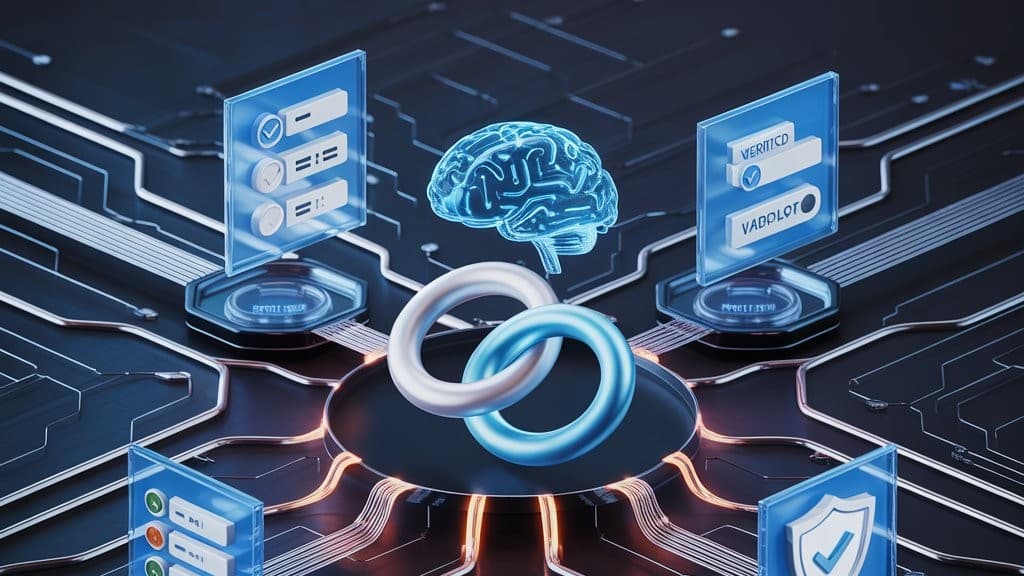
Blockchain & AI for Supplier & Vendor Authentication: A New Trust Architecture for MSMEs and Global Supply Chains - Part 1
Overview
Micro, Small, and Medium Enterprises (MSMEs) form the backbone of global supply chains, yet they are disproportionately affected by fraud, opaque procurement systems, slow onboarding processes, and inefficient supplier verification. Fake suppliers, inconsistent vendor quality, forged certifications, and tender manipulation continue to cost organizations billions while eroding trust.
Introduction
In today's interconnected supply chains, organizations—especially MSMEs—face major challenges in verifying suppliers, preventing procurement fraud, and maintaining compliance. Traditional onboarding methods rely on manual checks, self-attested documents, siloed databases, and outdated workflows. This results in fake suppliers, inconsistent vendor quality, forged certifications, tender manipulation, and slow procurement cycles. The consequences include financial losses, operational delays, reputational risks, and restricted MSME participation in large supply chains.
A blockchain-based decentralized vendor registry, enhanced with AI-driven reputation scoring, offers a transformative alternative. Blockchain creates a secure, tamper-proof source of truth for vendor identities, certifications, and performance history, while AI analyzes this trusted data to deliver predictive risk insights. Vendors undergo a single KYB verification, after which identity hashes and certifications are stored on an immutable ledger. Accreditation bodies can issue cryptographically signed compliance certificates (ISO, safety, ESG), ensuring real-time visibility into authenticity and expiration. Buyers can access cross-company performance ratings—including delivery times, quality scores, and responsiveness—indexed to each vendor's profile.
The system unlocks major benefits across the ecosystem. For MSMEs: faster onboarding, automatic trust-building, verifiable credentials, and expanded access to government and enterprise procurement. For buyers: fraud elimination, automated compliance, reduced onboarding cost, and transparency across the supplier base. For governments: increased procurement integrity, reduced corruption, and faster contractor processing.
AI adds intelligence by generating dynamic vendor reputation scores using verified blockchain data. IoT integrations further automate performance updates (e.g., shipment arrival, temperature compliance), creating an autonomous, real-time supply chain trust layer.
While challenges exist—such as regulatory acceptance, ERP integration, governance, and adoption—the long-term advantages are substantial. Blockchain and AI together shift procurement from reactive verification to a proactive, data-driven, trust-centered model, improving efficiency, security, and MSME inclusion across global supply chains.
The Convergence of Blockchain and AI Enables
Verified Digital Vendor Identities
Tamper-proof identity verification through blockchain
Real-time Compliance Tracking
Live monitoring of certifications and regulatory compliance
AI-powered Vendor Scoring
Intelligent assessment based on performance data
Faster MSME Onboarding
Reduced verification time from weeks to hours
Fraud-resistant Tendering
Secure, transparent procurement processes
Cross-company Supplier Reuse
Shared verification across multiple organizations
Predictive Supply Chain Insights
Forward-looking analytics for risk management and optimization
For MSMEs, this means lower entry barriers, credibility without manual paperwork, and greater access to global procurement opportunities.
The Authentication Crisis in Procurement
In a globalized marketplace, MSMEs often struggle with credibility, visibility, and compliance requirements. Traditional supplier onboarding and authentication rely on:
Manual Document Submissions
Paper-based processes and manual verification
Siloed Databases
Fragmented information across different systems
Unverified Self-Attested Certificates
Documents without independent verification
Paper-based Compliance Checks
Manual, time-consuming compliance verification
These outdated methods create multiple risks:
- Slow vendor onboarding cycles
- High administrative costs
- Vulnerability to fraud
- Poor visibility into performance history
For MSMEs trying to enter large supply chains, these friction points become barriers to growth.
A modern supply chain needs a modern trust system — one that is transparent, interoperable, real-time, and fraud-resistant. Blockchain and AI provide exactly that.
Pain Points Faced by MSMEs & Buying Organizations
Fake Suppliers
Malicious actors create shell companies or falsify identities
Impact:
Direct financial loss, project stoppages, and legal complications. This is especially prevalent in open tender systems and digital marketplaces.
Inconsistent Vendor Quality
Vendor may demonstrate high quality during bidding but fail to maintain standards
Impact:
Product defects, project rework, damage to the buyer's brand reputation, and increased costs of quality control.
Fraud in Tenders and Purchase Orders (POs)
Bid-rigging, collusion, and creation of fake POs
Impact:
Distorted market competition, inflated procurement costs, and significant financial fraud. It undermines the principles of fair and open competition.
Missing or Expired Compliance Certificates
Expired, revoked, or forged certifications
Impact:
Regulatory fines, suspension of operations, and potential liability issues if a vendor's non-compliance leads to an incident.
Blockchain as the Foundation of Vendor Authentication
Blockchain technology, at its core, is a distributed, immutable, and transparent ledger. This inherent functionality directly addresses the core pain points of vendor authentication.
Verified, Tamper-Proof Vendor Identities
Each vendor undergoes a one-time, rigorous "Know Your Business" (KYB) process. Once verified, their core legal identity (name, registration number, address, etc.) is hashed and recorded on the blockchain. This creates a unique, tamper-proof digital fingerprint.
Benefit:
Eliminates fake suppliers. Any buyer on the network can instantly verify that a vendor is a legally recognized entity, without having to conduct their own redundant KYB checks.
Digital, Cryptographically Signed Compliance Certificates
Accredited certification bodies (e.g., ISO auditors, financial auditors) can issue digital certificates directly to a vendor's blockchain profile. These certificates are cryptographically signed and timestamped. Their validity status (current, expired, revoked) is updated in real-time.
Benefit:
Buyers can verify a vendor's certifications with a single click. The system can automatically flag expired certificates, shifting compliance management from a reactive to a proactive process.
Certification bodies issue digitally signed certificates stored on-chain.
Track Vendor Performance History Across Multiple Buyers
After a transaction or project milestone, buyers can post encrypted performance ratings and feedback to the vendor's blockchain record. This could include metrics like on-time delivery, quality scores, and communication responsiveness. The data can be anonymized or permissioned to protect commercial sensitivity.
Benefit:
Moves beyond a vendor's self-reported capabilities to an objective, multi-source performance history. This directly addresses the issue of inconsistent quality by providing a longitudinal view of a vendor's reliability.
Encrypted performance ratings from different buyers are stored on vendor profiles.
Expanded Use Cases & Value Proposition
AI-Driven Vendor Reputation Scoring
The system can aggregate performance data, certification status, and financial stability indicators to generate a dynamic, data-driven reputation score. Blockchain provides verified data; AI analyzes it.
Value:
This score becomes a powerful tool for:
- Buyers: To quickly shortlist high-performing, low-risk vendors.
- Vendors: To differentiate themselves transparently in a crowded market. A high score becomes a valuable business asset.
- Financiers: To assess the creditworthiness of a vendor based on its verifiable transaction history.
Cross-Company Supplier Onboarding
A vendor verified on the blockchain by one company (e.g., a large automotive manufacturer) can be instantly "pre-verified" for another company (e.g., a parts supplier) on the same network.
Value:
Reduces supplier onboarding time from weeks to days or even hours. This dramatically lowers administrative costs for both buyers and vendors, creating a powerful network effect: the more participants, the more valuable the network becomes.
Government Contractor Onboarding
Government procurement is often criticized for its slowness and vulnerability to fraud. A blockchain registry can streamline the onboarding of contractors while ensuring absolute transparency and compliance with regulatory mandates.
Value
- Transparency: All qualifying vendors and their certifications are publicly auditable, reducing opportunities for corruption.
- Efficiency: Accelerates the awarding of contracts for critical public projects.
- Compliance: Automatically enforces requirements for diversity, sustainability, or local content by verifying the relevant certifications.
Implementation Challenges & Considerations
1. Adoption & Network Effects
The system's value is zero without vendors and buyers. A consortium-led approach, perhaps started by a dominant industry player or a government body, is crucial for initial traction.
2. Data Privacy & Confidentiality
While identities and certificates are shareable, financial data and specific transaction details must be protected. Solutions involving zero-knowledge proofs (ZKPs) or selective disclosure mechanisms are essential.
3. Legal & Regulatory Frameworks
The legal admissibility of blockchain-based records and digital signatures varies by jurisdiction. Clear standards and regulatory acceptance are needed.
4. Cost & Integration
Initial development and integration with existing Enterprise Resource Planning (ERP) systems like SAP or Oracle can be complex and expensive.
5. Governance
A fair governance model must be established to decide who can validate identities, issue certifications, and resolve disputes.
Future Outlook: Blockchain + AI + IoT = Autonomous Supply Chains
The next evolution of procurement combines three transformative technologies:
Blockchain
Creates trusted, shared vendor identities & certifications
AI
Adds intelligence with predictive risk scoring, supplier recommendations, and anomaly detection
IoT
Automates verification of deliveries (temperature, location, conditions)
Example:
A shipment sensor confirms on-time delivery → blockchain updates vendor performance → AI recalculates vendor reliability score → buyer dashboard updates in real-time.
Conclusion
The pain points in supplier authentication are not merely inefficiencies; they represent critical risks to financial health and operational continuity. A blockchain-based decentralized registry offers a paradigm shift from siloed, reactive verification to a shared, proactive ecosystem of trust.
The future of this solution lies in its integration with other emerging technologies:
IoT
Sensor data from shipments can automatically trigger performance updates on the blockchain (e.g., confirming on-time delivery and temperature compliance).
AI/Analytics
The rich, verified data on the blockchain can be analyzed by AI to predict supply chain disruptions, identify optimal vendors, and provide dynamic risk scoring.
In conclusion, while challenges remain, the potential of blockchain to create a more secure, efficient, and transparent global supply chain is immense. The organizations that pioneer and adopt these solutions will gain a significant competitive advantage through reduced risk, lower costs, and more resilient partner networks.
Case Studies
Empowering Digital
Evolution



Blogs
Empowering Digital
Evolution
BitViraj Technologies - Your Gateway to
Tomorrow's Innovations


Embark on a DigitalJourney

The next-generation digital technology company Bitviraj has the potential to empower and reinvent business in the current fast-paced market.


Our Service
- Website Development
- Application Development
- Blockchain Development
- Gaming and Metaverse